

- Therapies
Trauma-Informed Care: What It Really Means
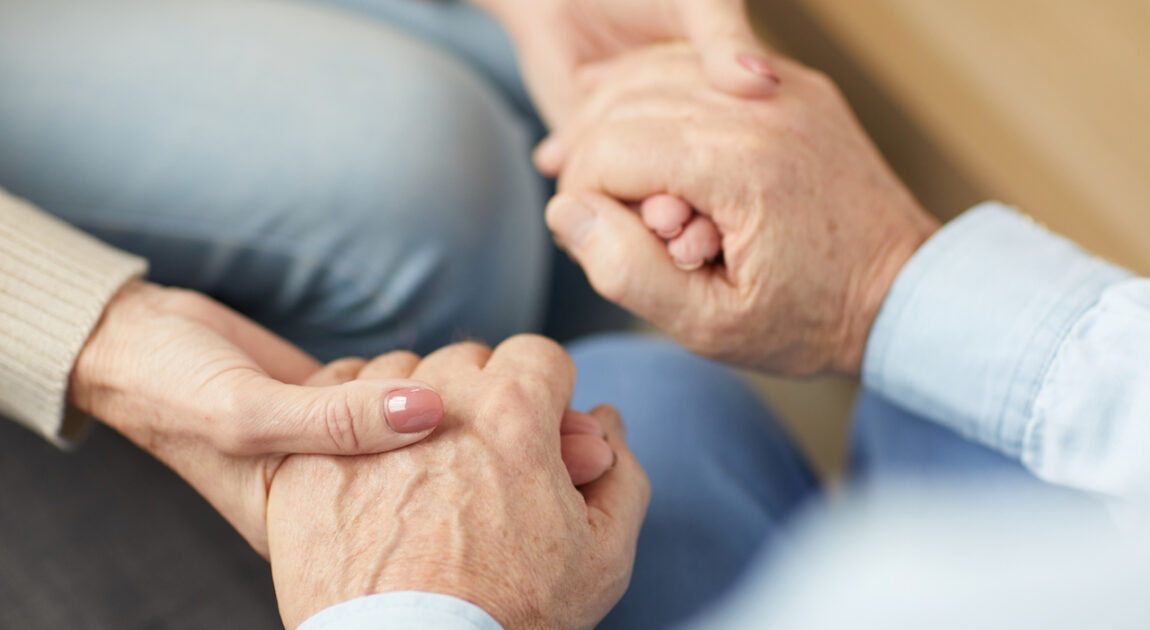
Trauma impacts more people than we often acknowledge. For some, trauma results from a single event. For others, it’s a complex, ongoing experience that shapes how they think, feel, and interact with the world. Whether it’s rooted in childhood adversity, violence, loss, systemic oppression, or medical emergencies, trauma has far-reaching effects that often go unseen.
This is where trauma-informed care becomes essential. It’s more than a concept or a strategy. It’s a framework for understanding human behavior through the lens of experience, especially painful or overwhelming experiences. And at Inner Summits, it’s central to how we support meaningful, lasting healing.
Defining Trauma in Real Terms
Trauma is not always visible, but its impact is real. It changes how a person experiences safety, trust, and relationships. It can lead to chronic stress responses, emotional dysregulation, memory disruption, and even physical symptoms like fatigue, headaches, or gastrointestinal issues.
Types of trauma include:
-
Acute trauma: Sudden events such as accidents or natural disasters
-
Chronic trauma: Long-term exposure to stress or abuse
-
Complex trauma: Repeated traumatic events, often interpersonal, starting early in life
Left unacknowledged, trauma can become a barrier to emotional wellness, personal growth, and even physical health.
The Core Philosophy of Trauma-Informed Care
Trauma-informed care (TIC) is an approach that seeks to understand, recognize, and respond to the effects of trauma in every aspect of care or interaction. Rather than focusing on a diagnosis or behavior, trauma-informed care asks a more empathetic question: What happened to you?
A trauma-informed approach doesn’t treat trauma as a side note. Instead, it becomes the foundation for how we interact with others—whether in therapy, education, healthcare, or community services.
At its essence, trauma-informed care includes these guiding values:
-
A commitment to physical and emotional safety
-
Transparent communication to build trust
-
Acknowledgment of personal agency and choice
-
Recognition of the importance of peer support
-
A focus on collaboration over hierarchy
-
Cultural humility and responsiveness to historical trauma
This approach is not limited to mental health practitioners. It is just as relevant for teachers, doctors, social workers, first responders, and organizational leaders.
Moving Beyond Traditional Models
Traditional care models often ask, What’s wrong with you? and treat symptoms in isolation. They tend to prioritize control and compliance over understanding and empowerment. These models can unintentionally replicate the dynamics of powerlessness and fear that many trauma survivors already carry.
By contrast, trauma-informed care creates space for safety and connection. It allows individuals to participate in their own healing with dignity and agency. It recognizes that behaviors such as withdrawal, anger, perfectionism, or emotional shutdown might be protective responses rooted in earlier trauma—not signs of noncompliance or defiance.
This mindset shift can significantly improve outcomes across all types of care and support settings. Trauma-informed environments encourage trust, reduce drop-out rates in therapy and education, and lead to more consistent engagement in healthcare.
Where Trauma-Informed Care Makes the Biggest Impact
Mental Health and Counseling
In mental health settings, trauma-informed care transforms how clinicians approach therapy. Instead of pathologizing clients’ symptoms, it views behaviors through a trauma lens. This enhances rapport, increases safety, and encourages long-term healing.
Clients who have experienced trauma often respond best to care that is predictable, collaborative, and attuned to their emotional cues. Trauma-informed clinicians avoid re-triggering clients by being mindful of tone, language, posture, and boundaries. They also help clients regain a sense of control by honoring autonomy and emphasizing consent in all aspects of treatment.
Education and Youth Services
Children exposed to trauma often struggle in school—not due to lack of ability, but because their nervous systems are in survival mode. Trauma-informed education helps educators understand that behavior is communication. Instead of punishing outbursts or withdrawal, teachers are encouraged to respond with curiosity and compassion.
This approach creates classrooms where students feel safe enough to learn. It supports emotional regulation, encourages restorative discipline practices, and helps school systems address the root causes of behavior, not just the symptoms.
Healthcare and Patient Support
Medical settings can be especially triggering for trauma survivors, particularly those who have experienced physical or sexual abuse, or medical trauma. Trauma-informed healthcare providers are trained to recognize signs of distress, communicate clearly, ask for consent before touching, and adapt their approach based on a patient’s comfort level.
This increases trust in providers and leads to better adherence to treatment, lower no-show rates, and improved patient satisfaction. It also supports provider well-being by encouraging empathy over frustration.
Community Services and Justice Systems
In law enforcement, child welfare, and social services, a trauma-informed lens can help reduce conflict, promote de-escalation, and support more humane interventions. Instead of labeling someone as resistant or oppositional, professionals learn to identify signs of trauma response and tailor their interactions accordingly.
This shift can reduce recidivism, improve engagement in social programs, and create more equitable systems.
Clearing Up Common Misunderstandings
Despite its value, trauma-informed care is sometimes misunderstood or minimized. Let’s address a few of the most persistent myths:
-
It’s not just being “nice.” Trauma-informed care is grounded in evidence-based research in neuroscience, psychology, and social work. It’s about safety and structure, not leniency.
-
It’s not only for trauma survivors. While it centers on those affected by trauma, this approach benefits everyone by promoting environments where people feel seen, heard, and respected.
-
It’s not a therapy technique. Trauma-informed care is a broad framework that influences policies, procedures, communication styles, and even the physical environment of a space.
-
It doesn’t require reliving trauma. This model is about creating conditions for healing, not requiring individuals to disclose or process their trauma in order to be supported.
Taking Action: Becoming Trauma-Informed
Building a trauma-informed approach requires more than awareness—it demands intentional practice. Whether you’re an individual or part of an organization, you can begin by integrating trauma-sensitive principles into your daily interactions.
Here’s how to start:
-
Educate yourself about how trauma affects the brain and behavior
-
Examine your environment for triggers or barriers to safety
-
Practice self-regulation so you can offer calm, grounded support to others
-
Foster collaboration and allow people to have a voice in their care
-
Reflect regularly on your own biases and assumptions
-
Commit to ongoing learning, not one-time training
Organizationally, this also means reviewing hiring practices, revising disciplinary procedures, and creating spaces for staff well-being. Trauma-informed care is sustainable only when the people providing care are supported too.
The Bigger Picture: A Culture of Care
Trauma-informed care is more than a clinical strategy. It’s a movement toward equity, connection, and compassion in a world that often encourages disconnection and control. It acknowledges that trauma is widespread, but so is resilience.
By adopting a trauma-informed lens, we help create a culture where healing is possible—not just in therapy sessions, but in classrooms, workplaces, hospitals, and homes. We learn to meet people where they are and move forward with greater understanding.
Healing doesn’t happen in isolation. It happens in relationship. And when systems shift from punishment to presence, from judgment to curiosity, the ripple effect can be transformative.
Start Your Trauma-Informed Journey Today
Whether you’re a professional looking to improve your practice, a leader shaping your organization, or an individual seeking more supportive care, the trauma-informed path starts with awareness—and grows through action.
At Inner Summits, we’re here to help you take that next step. Our team is trained in trauma-informed approaches designed to support healing at every level. From personalized mental health care to training for professionals and organizations, we provide the tools and insight needed to build trauma-responsive spaces that truly uplift people.
Contact Inner Summits today to learn how trauma-informed care can change the way you lead, work, and heal.
Get Matched with a Therapist.
Because finding support should never be as hard as what you’re going through.