

- Therapies
Quiet Your Mind: Using Hypnosis for Insomnia and Better Sleep
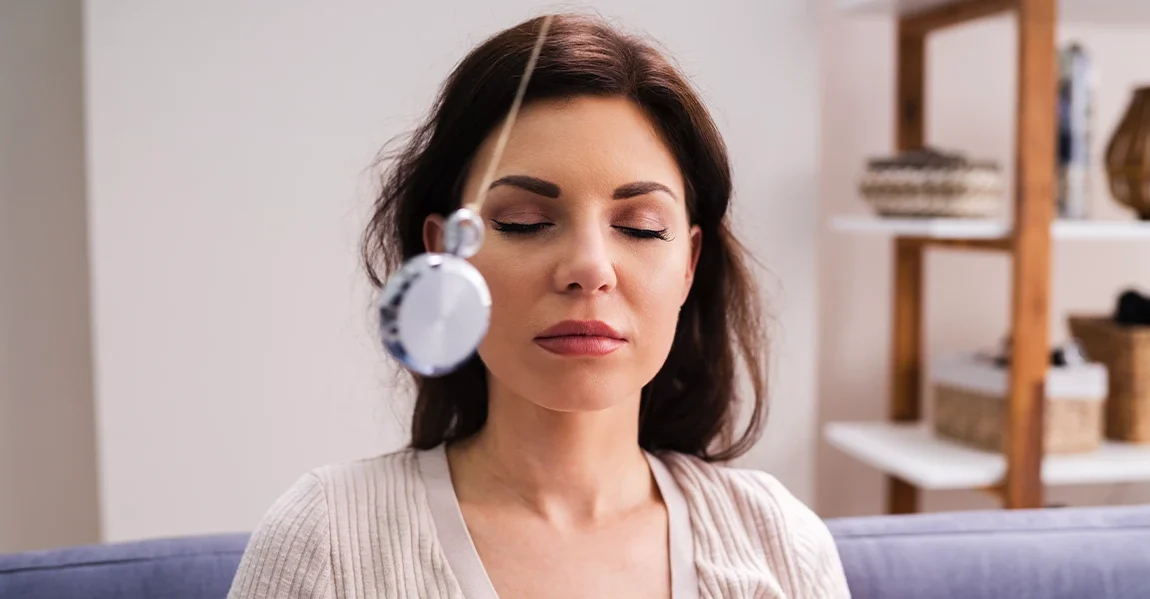
It’s 3:00 AM. You’re wide awake. You know you need to sleep, but the moment your head hits the pillow, your mind turns into a racetrack. You toss, you turn, and the cycle of frustration begins again: the more you try to sleep, the more elusive rest becomes.
If this sounds familiar, you are experiencing the defining characteristic of insomnia: a state of hyperarousal.
Insomnia is not just about a lack of sleep; it’s a deeply rooted pattern where your body and mind are stuck in a state of chronic alertness. Your sympathetic nervous system—your internal “fight, flight, or freeze” response—is mistakenly triggered by the idea of rest. In essence, you are physically and mentally revved up, making the transition to relaxation impossible.
At Inner Summits, we understand that you can’t simply think your way out of a feeling of being unsafe or hyper-alert. The logical, conscious mind, which you use to solve problems during the day, is powerless against the deeper, subconscious patterns that govern your sleep-wake cycle. This is why conventional “talk therapy” or simply being told to “stop worrying” often falls short.
The most effective, transformative path to resolving chronic sleeplessness is to address the issue where it truly resides: in the deep layers of the subconscious mind and the regulatory functions of the nervous system.
This is precisely where clinical hypnotherapy and the powerful, neurobiological techniques of a Bottom Up Approach step in. Hypnosis for insomnia offers a way to bypass the anxious, critical thoughts of your conscious mind and deliver new, calming instructions directly to the operating system of your well-being. By utilizing this powerful, gentle method, you can deactivate the hyperarousal state, quiet your mind, and finally reclaim the deep, restorative sleep your body and spirit need to thrive.
The journey starts when we stop struggling against our minds and learn how to communicate with them instead.
Why Can’t We Just “Think” Our Way to Sleep? (Understanding Insomnia’s Root)
Have you ever noticed that the harder you try to fall asleep, the more awake you become? This paradox is a perfect illustration of why conscious effort fails in the face of a nervous system gone rogue.
The roots of chronic insomnia lie in what experts call the Hyperarousal Theory.
The Problem of Hyperarousal
Insomnia is fundamentally a disorder of excessive daytime and nighttime arousal. When you become chronically anxious or stressed about sleep, your body begins to associate your bedroom and your routine with danger and failure, rather than safety and rest.
This activates the sympathetic branch of your nervous system, which is designed to protect you from threats.
This physiological state results in:
- Elevated Cortisol: Your primary stress hormone keeps your mind sharp and your body alert.
- Racing Thoughts (Rumination): The conscious mind fixates on worries, problems, or the intense frustration of being awake.
- Physical Tension: Muscles remain tense, heart rate may be slightly elevated, and breathing is shallow—all signals that your system is prepared for action, not rest.
The Limit of the Conscious Mind
Your conscious mind is where logic and willpower reside. It excels at tasks like balancing a checkbook or planning a meeting.
However, when you attempt to use this logical mind to conquer an emotional or physiological problem like insomnia, you encounter a wall. The conscious mind, which operates on logic and language, simply cannot override the deep-seated, automatic programs running in your brain’s emotional and survival centers.
As we emphasize at Inner Summits, the core principle is that you can’t think your way out of a feeling.
Insomnia is driven by feeling unsafe, frustrated, or stressed at a subconscious level. Any conscious attempt to force relaxation only creates more tension and reinforces the hyperarousal cycle. This is why we need therapeutic approaches that go Beyond Talk Therapy—approaches that speak the language of the subconscious and the nervous system itself. Hypnotherapy provides that bridge.
How Does Hypnosis Access the Root Cause of Sleeplessness?
Hypnosis is often misunderstood. It is not about being asleep or losing control. Instead, it is a naturally occurring, deeply focused state of heightened awareness, where the analytical, critical filter of the conscious mind is temporarily relaxed.
This shift in focus allows us to directly address the “old programming” driving your sleepless nights.
The Subconscious Doorway
Think of your mind as a computer operating on two levels:
- The Screen (Conscious Mind): This is what you see and interact with every day—your thoughts, daily decisions, and logic.
- The Operating System (Subconscious Mind): This runs 90% of your automatic functions, including habits, emotional reactions, limiting beliefs, and the very instructions for when your body should sleep or wake.
When you struggle with chronic insomnia, your operating system is running a piece of “junk code” that mistakenly labels bedtime as a stressor.
Hypnotherapy’s Mechanism:
- Induction: The hypnotherapist guides you into a deep state of physical and mental relaxation, using techniques like focused breathing or guided visualization.
- Bypassing the Filter: As the conscious mind relaxes its critical guard, the subconscious mind becomes highly receptive to new, positive suggestions.
- Updating the Code: The therapist delivers targeted therapeutic suggestions designed to replace the faulty program. These might include phrases that foster an association between your bed and peace, or instructions that remind your body how to safely and effortlessly drift into deep Sleep.
Why Targeted Suggestions Are So Effective
In the relaxed, focused state of hypnotherapy, suggestions related to sleep are accepted as new, undeniable truths by the subconscious. This means they are automatically integrated into your behavior and physiology.
The key suggestions used to combat insomnia often center on three pillars:
- Safety and Trust: Reaffirming that your bedroom is a sanctuary and that it is safe to let go of vigilance and control at night.
- Ease of Transition: Programming the mind to find the process of falling asleep to be natural, peaceful, and effortless, shortening sleep latency (the time it takes to fall asleep).
- Depth and Restoration: Using powerful imagery to encourage increased time spent in slow-wave sleep—the most restorative stage vital for physical and mental healing. Research has shown that hypnotic suggestions can indeed increase the duration of this deep, beneficial sleep.
By working directly with the root programs in the subconscious, hypnotherapy provides a long-term solution that goes far beyond the temporary masking of symptoms offered by sleep aids.
How Does Hypnotherapy Quiet the Nervous System? (The Bottom-Up Connection)
For hypnotherapy to create lasting change, it must integrate mind work with body work. This integration is the heart of the Inner Summits Bottom Up Approach.
The Bottom-Up Difference
Traditional, top-down approaches (like simple talk therapy) focus on cognitive understanding, hoping that insight will trickle down and change emotional or physical reactions.
The Bottom Up Approach works in reverse. It targets the body and the nervous system first, knowing that calming the physiological state is the fastest, most effective way to calm the emotional mind.
Hypnotherapy is the perfect vehicle for this approach because it combines the power of suggestion (mind) with deep, physical relaxation (body).
Activating the Parasympathetic State
Insomnia is characterized by an overactive sympathetic (alert) nervous system. The goal is to engage the parasympathetic (rest and digest) system.
Hypnosis achieves this by employing techniques that are inherently nervous-system-regulating:
- Somatic Relaxation: The hypnotic induction often involves progressive muscle relaxation or visualizations that anchor the sense of safety within the body. This is a core tenet of Somatic Psychotherapy, a method we frequently integrate.
- Guided Visualization: By imagining a safe, peaceful environment—a mountaintop lake, a dark, quiet forest, or a deeply restorative room—the nervous system responds in real-time. Your brain registers the visualized safety, sending signals to the rest of the body to lower heart rate, reduce muscle tension, and slow breathing.
- Breathwork Integration: Within the hypnotic state, focused suggestions on rhythmic, slow breathing can be programmed as an automatic resource. This equips you with a direct, physiological tool to regulate your system whenever anxiety flares up—a powerful skill to maintain composure when awakened during the night.
The lasting success of this integrated hypnotherapy is not just that you believe you can sleep, but that your Nervous System is fundamentally re-wired to know how to relax, thereby ending the cycle of hyperarousal. You learn to step out of the “fight, flight, freeze” response and into the “rest and repair” state automatically.
What Does the Journey to Restful Sleep Look Like with Inner Summits?
Achieving deep, consistent sleep requires more than just one session; it is a personalized journey of healing and self-discovery. At Inner Summits, we guide you through a comprehensive, five-step therapeutic roadmap designed to address the unique complexities of your insomnia.
1. The Catalyst: Recognizing the Need for Change
- In the Context of Insomnia: This is the moment you realize that your sleeplessness is dominating your life and that medication or simple behavioral tips are not enough.
- Action: You recognize the cycle of frustration and decide to explore deeper, neurobiological solutions.
2. The Search: Reaching Out for Specialized Support
- In the Context of Insomnia: Finding a therapist who understands the mind-body connection of sleep—someone who looks beyond symptoms to the root cause.
- Action: You connect with Inner Summits and utilize our Therapist Matching service to find an expert specializing in integrating hypnotherapy, somatic work, and anxiety regulation.
3. The Warm Up: Restoring Capacity and Mapping Patterns
- In the Context of Insomnia: We begin by creating a map of your current nervous system patterns. This is crucial for understanding your personal insomnia cycle.
- Activities Include:
- Identifying triggers that shift your system into hyperarousal.
- Introducing foundational regulation skills, such as focused breathwork or simple somatic exercises, that serve as a prerequisite for deep relaxation.
- Beginning targeted hypnotherapy sessions aimed at immediate relaxation and establishing a sense of safety around bedtime.
4. The Journey: Repair and Release of the Root Cause
- In the Context of Insomnia: This is the phase where we use advanced experiential therapies, including in-depth hypnotherapy and techniques like Internal Family Systems (IFS) or EMDR (if underlying trauma is present), to update the core beliefs that feed your hyperarousal.
- The Goal: We are actively replacing the “old code” in your subconscious. For example, replacing the belief “If I don’t control my thoughts, I won’t sleep” with “My body knows how to rest safely and effortlessly.”
- Outcome: As these emotional and neurological burdens are lifted, the physiological drive behind your sleeplessness starts to dissolve.
5. The Summit: Reclaiming Your Authentic, Rested Self
- In the Context of Insomnia: As the burdens of the past are shed and your nervous system is regulated, you step into a profound sense of ease and well-being. Sleep is no longer a battle; it is a natural process.
- Integration: We use mind-body therapies like neurofeedback (where applicable) and consistent self-hypnosis practices to solidify your progress, ensuring the deep, restorative sleep patterns become an automatic, lasting part of who you are.
- The Result: You navigate life with newfound lightness and freedom, knowing that you have the internal resources—built in the core of your being—to access rest whenever you need it.
This personalized, structured process ensures that your success is not dependent on temporary fixes, but on permanent neurological and psychological shifts.
Conclusion: Trading Wakefulness for Wellness
For too long, insomnia has felt like a personal failing—a battle against your own mind that you simply cannot win. However, by understanding that chronic sleeplessness is a product of an unregulated nervous system and faulty subconscious programming, we can shift the approach from struggling to succeeding.
Hypnotherapy, particularly when integrated into the comprehensive, evidence-based, and bottom-up framework used by Inner Summits, offers a powerful, non-invasive pathway to lasting relief. It is the language that the nervous system and the subconscious mind speak fluently. By engaging in this deeply relaxing, focused work, you are not just treating a symptom; you are updating your internal operating system to one that prioritizes rest, safety, and deep restoration.
It is time to quiet the noise, disarm the vigilance, and restore your system’s innate capacity for natural, effortless sleep. The clarity, energy, and peace you seek are waiting for you on the other side of a well-rested night.
Ready to reclaim your nights and thrive during the day?
Take the first step toward lasting rest and transformation. Contact Inner Summits today to schedule a discovery call and begin mapping your journey to the summit of better sleep.
Frequently Asked Questions (FAQ)
What exactly is hypnotherapy, and how does it relate to sleep?
Hypnotherapy is a therapeutic process that guides you into a deep state of focused attention, often referred to as a “trance-like” state. In this state, your mind is extremely relaxed yet highly receptive to therapeutic suggestions. It relates to sleep by bypassing the critical, anxious conscious mind to address the subconscious roots of insomnia, such as stress, hyperarousal, and negative associations with bedtime. The goal is to implant positive, calm suggestions that enable your body and mind to transition easily and naturally into deep, restorative sleep.
Is hypnotherapy safe, and will I lose control during the session?
Yes, hypnotherapy is widely considered a safe and non-invasive therapeutic approach with minimal risk of adverse effects. It is crucial to understand that you do not lose control. You remain fully aware of your surroundings throughout the session and can choose to emerge from the deeply focused state at any time. A hypnotherapist is a guide, not a controller. The state of hypnosis is a voluntary experience of deep, focused relaxation.
How is the Inner Summits approach different from standard sleep hypnosis recordings or apps?
Inner Summits utilizes a comprehensive, evidence-based approach that goes Beyond Talk Therapy and simple relaxation. We integrate hypnotherapy within a Bottom Up Approach, meaning we pair it with neurobiological methods like Somatic Psychotherapy and nervous system mapping. We don’t just offer generic suggestions; we work to identify and update the root psychological and emotional “code” driving your hyperarousal. This personalized, root-cause methodology provides a lasting solution rather than a temporary fix.
How long does it take to see results for insomnia using hypnotherapy?
The time frame varies greatly depending on the individual and the chronicity of their insomnia. Some clients report an immediate improvement in sleep quality and a reduction in sleep latency (the time it takes to fall asleep) after the first few sessions. However, lasting, profound change—which involves fully regulating the nervous system and updating the subconscious programming—typically occurs over the course of the full therapeutic journey (The Warm Up and The Journey phases), usually requiring several weeks or months of consistent engagement.
Can hypnotherapy help with both falling asleep and staying asleep throughout the night?
Yes. While hypnotherapy is highly effective at shortening the time it takes to fall asleep, it is also designed to address the underlying anxiety and hyperarousal that cause middle-of-the-night awakenings. By delivering suggestions that encourage deeper, more stable slow-wave sleep and programming a default state of calm, hypnotherapy helps the subconscious mind learn to return to rest quickly and easily if you do wake up, ensuring better sleep continuity.
Get Matched with a Therapist.
Because finding support should never be as hard as what you’re going through.